



Australia’s submarine enterprise has completed one of its most significant periods of industry engagement, following a series of inaugural national events that brought together federal and state government leaders, international partners, defence primes and hundreds of Australian suppliers to prepare for the demands of the AUKUS submarine program.
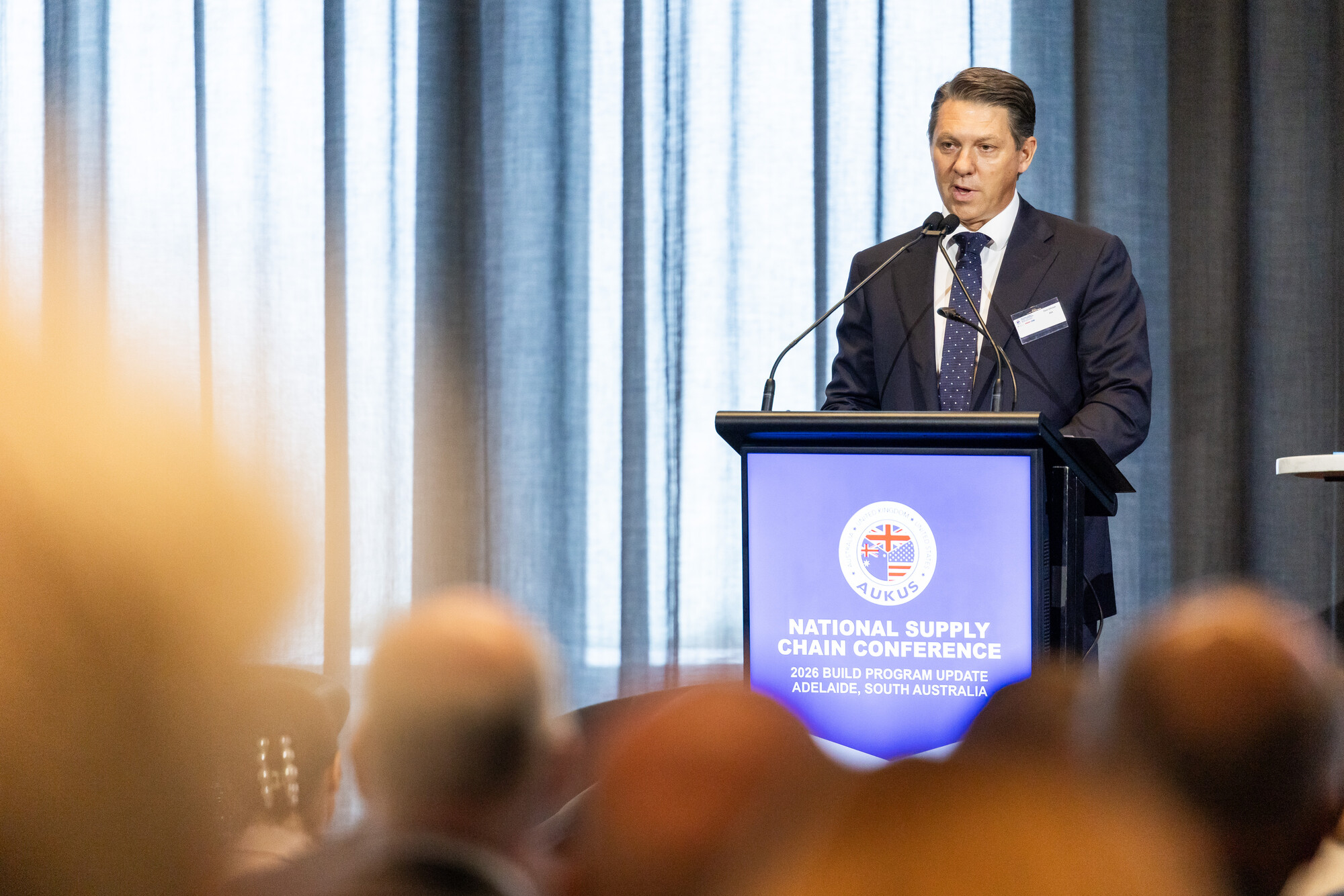
Across March, the sector saw unprecedented participation in two major gatherings: the AUKUS SRF-West Sustainment Industry Seminar in Perth and the AUKUS National Supply Chain Conference in Adelaide.
Together, these first-of-kind events delivered the most detailed briefings to date on sustainment requirements, supply chain pathways and the industrial capabilities needed to support Submarine Rotational Force – West (SRF‑W) and the construction of SSN‑AUKUS.
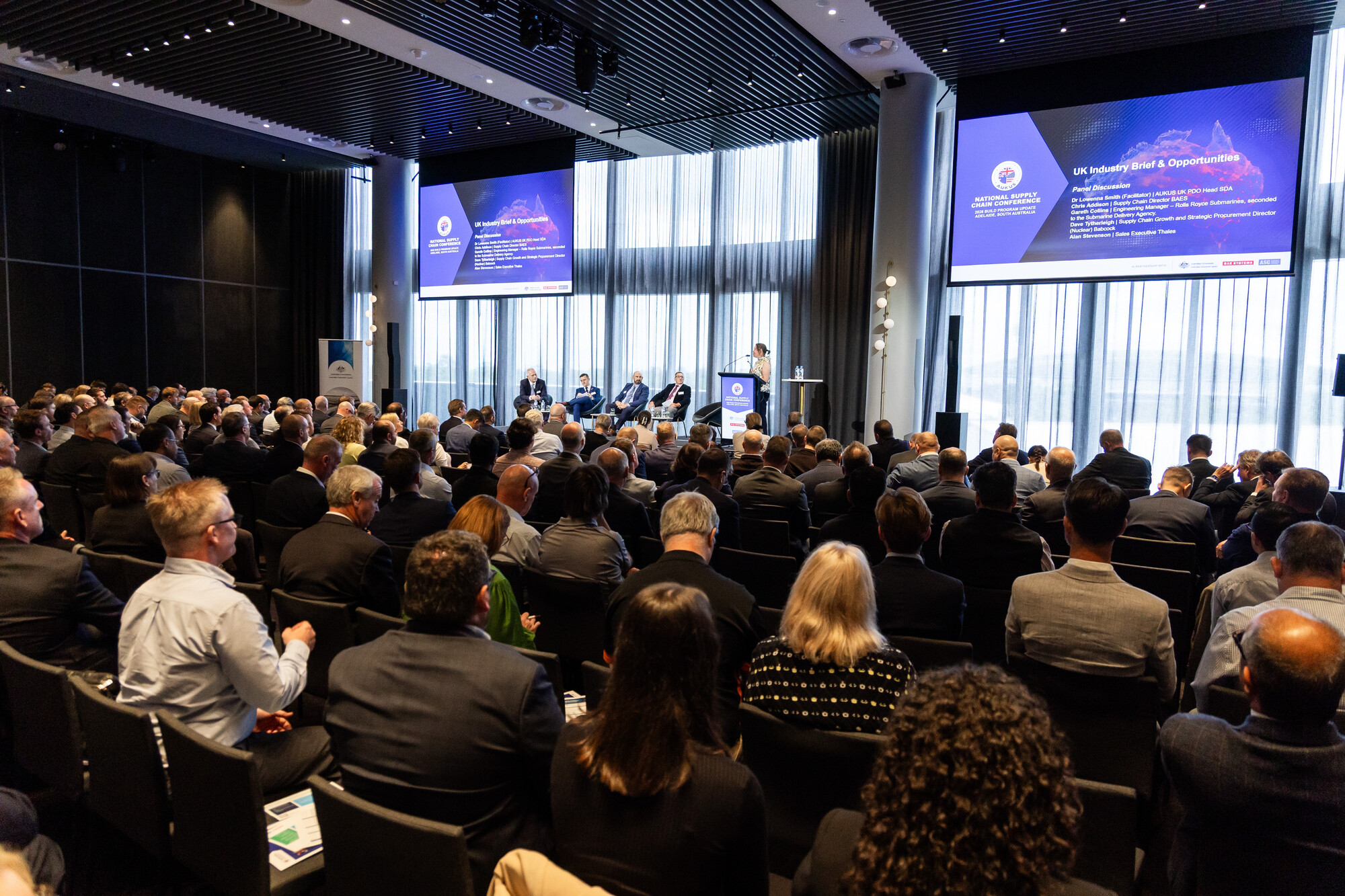
More than 230 representatives participated in the national conference in Adelaide, where ASA, ASC and BAE Systems outlined the early phases of Australia’s long‑term submarine construction program.
The UK Submarine Delivery Agency also contributed, providing updates on the UK’s parallel program and highlighting opportunities for Australian industry to support both nations’ future production pipelines.
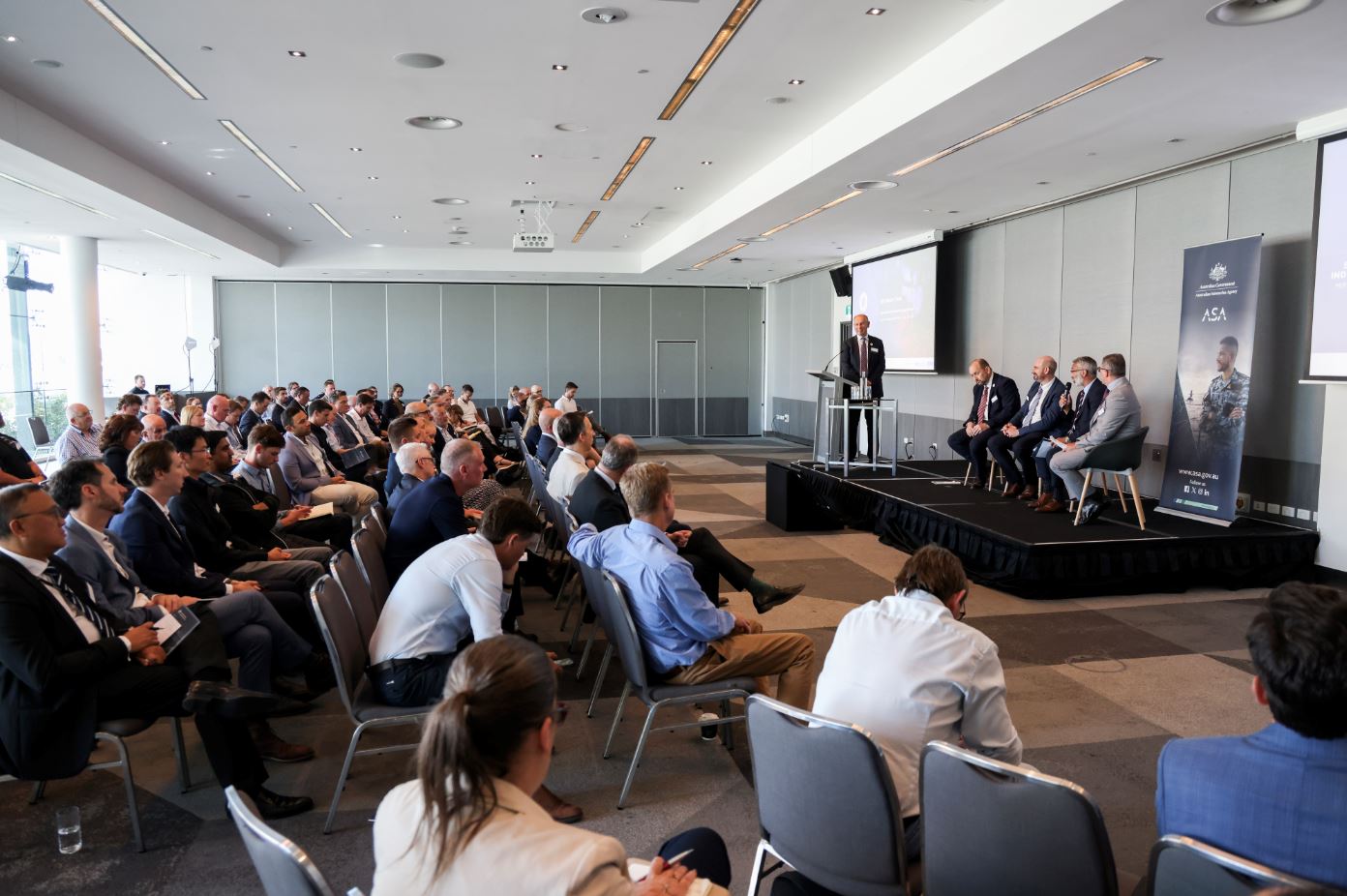
Held a week earlier, the Perth forum focused on immediate and long‑term sustainment opportunities under AUKUS and brought together senior representatives from Australian and UK Governments, UK industry, the Western Australian Government and local suppliers. Delegates examined how Australian businesses can support emerging sustainment needs at HMAS Stirling and prepare for the establishment of SRF‑W.
ASA Head of Workforce, Industry and Supply Chain, Kate van Hilst, said the events were invaluable in building understanding of the once‑in‑a‑generation opportunities the nuclear‑powered submarine enterprise offers Australian industry.
‘These events gave industry the clearest picture yet of the scale and sophistication of the work ahead, and what it truly means to support nuclear‑powered submarines to UK and U.S. Navy standards,’ said van Hilst.
‘For many businesses, it was a turning point in understanding the capability and workforce required over the coming decades. What impressed me most was how ready and ambitious Australian suppliers are. The expertise, appetite and determination in the room showed that industry is not only capable, but eager to step forward. Companies are already forming partnerships, investing in people and tooling, and positioning themselves to play a long‑term role in this national endeavour.’
Across the two events, presenters outlined priority capability areas, nuclear licensing considerations, sovereign industrial development and lessons learned from partner nations already participating in complex submarine programs. Advanced manufacturing was another key focus at the engagements with suppliers showing strong interest in adopting new technologies and innovative approaches to accelerate their readiness for SSN‑AUKUS.
The ASA also held an AUKUS roundtable to further build collaboration between Defence capability organisations, local government and businesses, as well as an “Introduction to AUKUS Opportunities” event for local businesses interested in the program and the broader Defence capability enterprise.
These national activities coincided with the Submarine Maintenance Period of the UK Royal Navy’s HMS Anson, an Astute‑class submarine that recently visited HMAS Stirling, south of Perth.
The maintenance work offered Australian companies a rare opportunity to observe and support nuclear‑powered submarine sustainment alongside UK personnel. Industry representatives said the alignment of the SMP with national engagement activities created a timely catalyst for capability uplift and reinforced the scale of the task ahead.
‘Hearing directly from our UK and U.S. partners gave Australian businesses a critical advantage,’ said van Hilst.
‘Their insights into nuclear stewardship, licensing, supply chain resilience and long‑term sustainment provided a depth of understanding that will accelerate our own industrial capability. The momentum coming out of these engagements is exactly what we need. This enterprise will create thousands of highly skilled jobs and open doors for companies right across the country.’
‘Together, we are laying the foundations for a sovereign capability that will benefit Australia for generations.’
Australian businesses will play a central role in delivering the SSN‑AUKUS capability for both the Royal Australian Navy and the UK Royal Navy, strengthening the trilateral resilience of the AUKUS partnership. The recent period of engagement has deepened understanding of supply chain readiness requirements and set the basis for the workforce and industrial mobilisation required as the program advances.
The momentum generated through these coordinated efforts is expected to continue as Australia strengthens its sustainment capacity, deepens international partnerships and prepares for the delivery of the nation’s future submarines.
How businesses can get involved
Australian companies interested in nuclear-powered submarine opportunities across build or sustainment can visit ASA’s Industry Front Door and register through:
- ASA - Industry Engagement Portal(Opens in a new tab/window)
- ASC - Supplier, Capability and Innovation Portal(Opens in a new tab/window)
- SSN-AUKUS Build Program - Industry Opportunities(Opens in a new tab/window)
- My Australian Defence Exports (MADE) Portal(Opens in a new tab/window)
These channels provide suppliers with guidance on capability requirements, upcoming engagement activities and entry points into the growing submarine enterprise.