


2 December 2025
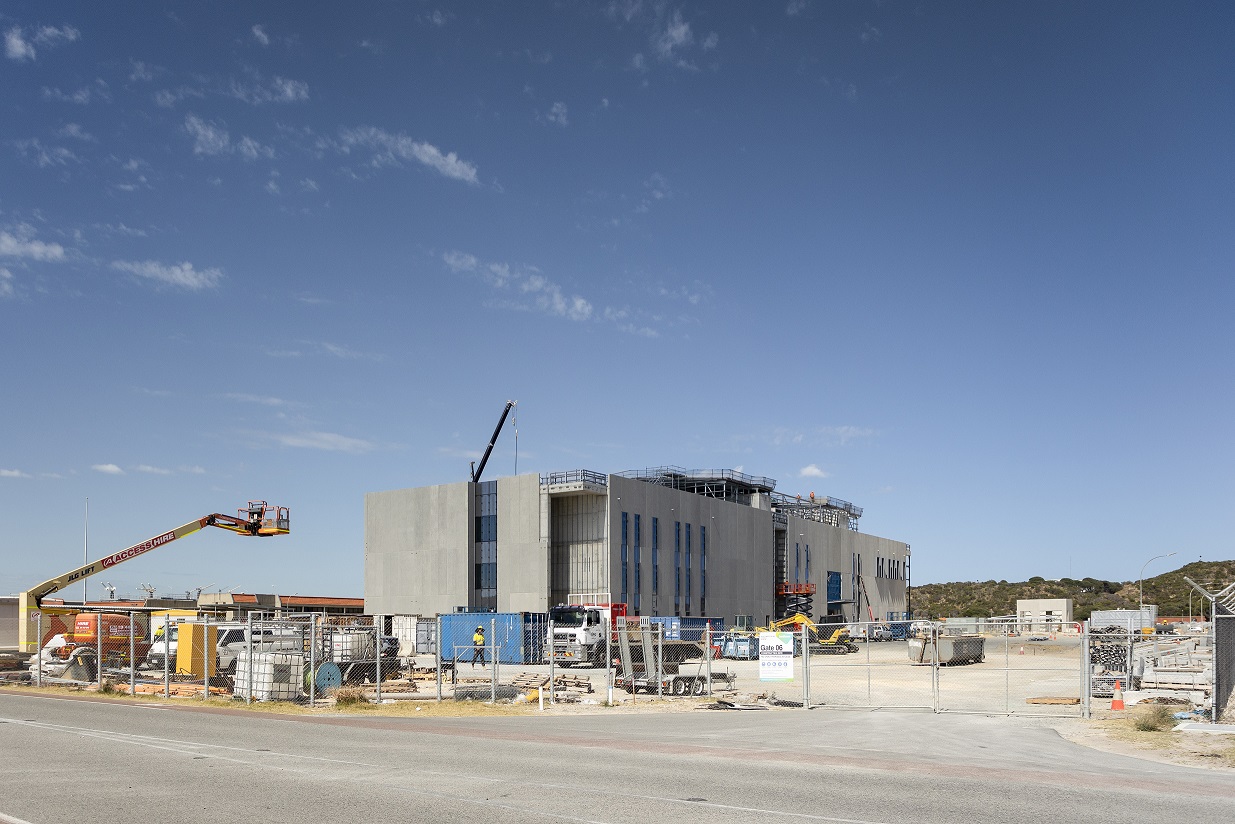
Construction is ramping up at HMAS Stirling as Australia prepares for the commencement of Submarine Rotational Force-West (SRF-West) in 2027.
Located on Garden Island near Perth, the Royal Australian Navy (RAN) base is undergoing a major transformation to host a rotational force of UK and US conventionally-armed, nuclear-powered submarines.
The Australian Government is investing up to $8 billion to expand Stirling’s infrastructure, creating thousands of jobs and continuing Western Australia’s role as home of Australia’s submarine capability.
SRF-West will be a critical step in building the skills and experience needed for Australia’s own conventionally-armed, nuclear-powered submarines from the early 2030s. Safety of our people, the public and the environment remains the highest priority throughout this process.
By 2027, the SRF-West Priority Works at HMAS Stirling will deliver a range of critical facilities to support Australia’s nuclear-powered submarine capability. These include operational berths for nuclear-powered submarines on the existing Diamantina pier, enhanced emergency preparedness and response capabilities, reliable shore power and a purpose built training centre.
In addition, the program will deliver a base-wide uplift to physical security, ensuring HMAS Stirling is equipped to meet future operational requirements.
Projects currently underway include upgrades to the base entry, new living-in accommodation, an Emergency Preparedness and Response Complex, and facilities to support logistics, small boat storage, and working accommodation.
HMAS Stirling is already playing a key role in this transition, recently hosting USS Vermont, a US Virginia-class submarine, for a Submarine Maintenance Period. The extended visit provided practical training for Australian personnel and tested infrastructure and systems developed with AUKUS partners. It also strengthened Australia’s nuclear stewardship framework, drawing on the operational experience and safety standards of the United States and United Kingdom.
To support future operations, measures to ensure radiological safety and emergency response capabilities are being implemented, including the establishment of a radiological environmental monitoring program and comprehensive training for Navy and civilian personnel.
A new, purpose built technical and engineering industrial workshop (the Controlled Industrial Facility) will support servicing of naval nuclear propulsion components and tools, low-level waste processing and temporary storage, dosimetry services, and chemical laboratories for low-level radiological and non-radiological needs.
Ahead of the Controlled Industrial Facility being finalised, advanced systems will be introduced as HMAS Stirling to uphold the highest radiological safety standards.
These systems will safely manage small amounts of low-level radioactive waste - such as gloves, wipes and liquid waste - generated during routine submarine maintenance that will occur from 2027 with the commencement of SRF-West, in line with Australian laws and international standards.
Nuclear safety related activities will be regulated under the Australian Naval Nuclear Power Safety Act 2024 and the Australian Radiological Protection and Nuclear Safety Act 1998.
With infrastructure upgrades underway, regulatory frameworks in place and training opportunities like USS Vermont’s visit successfully delivered, SRF-West remains firmly on track to commence in 2027 – paving the way for Australia’s future sovereign nuclear-powered submarine capability in the early 2030s.